Kevel works as a headless ad server for retail media and marketplace placements, but it wasn't built to read a conversation. If you're shipping an AI chat product on OpenAI, Anthropic, or a custom LLM, you need an ad layer that understands context turn by turn, not just page slots and zones.
- Elo is the top pick for kevel alternatives for ai chat products in 2026 because it matches ads to conversation context, not page position. Buy.
- Kevel still works for retail media and marketplace inventory but has no conversational ad format. Hold only if you're not chat-first.
- Google Ad Manager and AdButler are display-first tools bolted onto chat UIs. Skip for native in-chat placements.
- Topsort fits AI shopping assistants specifically but doesn't generalize to support, finance, or companion apps. Consider only for commerce use cases.
- Building an in-house matcher against LLM context takes real engineering time in 2026 and rarely beats a dedicated SDK. Wait unless you have a dedicated ad infra team.
Why this matters
Kevel's API-first, headless design made sense when ad units meant banners, zones, and impressions counted per pageview. Chat products don't have pageviews. They have turns, intents, and a model deciding what to say next.
An ad server that can't see the conversation has to fall back on static targeting: user segment, geography, maybe a keyword bid. That's a mismatch for a product where the user just told the assistant, in plain language, exactly what they want. Reviewing the ad monetization SDKs for AI chatbot developers built for this specific problem shows a different design pattern: the ad server reads the same context window the model does, then matches inventory to intent before the ad renders as a native card inside the reply.
That distinction is the whole reason kevel alternatives for ai chat products exist as a search category in 2026. Teams aren't unhappy with Kevel's reliability. They're unhappy that it was never built for turn-based, LLM-mediated surfaces.
How this list is ranked
Each alternative below is scored on four things that actually matter for a chat product: whether it reads conversational context (not just page metadata), the native ad format it renders, integration effort against an SDK already wired to OpenAI or Anthropic, and whether the revenue model (CPM, CPC, or CPA) fits a chat session instead of a pageview. Tools built for banner inventory or app-install campaigns get marked down even if they're solid products in their original category — the question here is fit for conversational surfaces in 2026, not general ad-server quality.
Ranked: Kevel alternatives for AI chat products
1. Elo — the purpose-built pick
Elo's SDK sits inside the chat loop and matches inventory against the live conversation, not a URL or a zone ID. Ads render as native cards inside the reply stream instead of banners stapled to the UI. The integration doc lists twelve lines of code to get a first impression live, which matters when your team is shipping features, not ad infrastructure.
Every chat is monetizable under this model, including sessions that never convert to a sale, because the revenue event is the impression and the match, not just a click. Verdict: Buy — if your product is chat-first and you want a server built for that surface in 2026, Elo is the direct fit, not a workaround.
2. Kevel — the incumbent you're leaving
Kevel remains a solid headless API for retail media, marketplace ad placements, and zone-based display. Its strength is programmatic control over auctions and pricing logic for teams that already run that kind of inventory.
What it doesn't do: read the conversation. There's no native format for a chat bubble, and matching still runs on segments and keywords rather than the live intent expressed in the thread. Verdict: Hold if you already have Kevel wired into a non-chat product line. Skip it for a new chat-first build in 2026.
3. Google Ad Manager — the enterprise default
GAM is the biggest name in programmatic display and video, with deep demand-side connections and mature reporting. Most teams reach for it out of habit, not fit.
It was designed around page inventory, viewability standards for banners, and video pre-rolls — none of which map onto a conversational reply. Forcing a chat UI to render a GAM tag usually means an iframe or a banner wedged below the last message, which breaks the native feel users expect from a chat product. Verdict: Skip for in-chat placements.
4. AdButler — the lightweight self-serve option
AdButler gives small teams a self-serve ad server without the enterprise sales cycle GAM requires. It's a reasonable choice for a blog sidebar or a simple app with banner slots.
It has no conversational ad unit and no context-matching layer tied to an LLM's output. You could technically point it at a chat app, but you'd be rendering the same banner format it was built for, not a native card. Verdict: Consider only if your chat UI has a dedicated banner slot outside the message stream; Skip for native in-chat cards.
5. Topsort — the retail-media specialist
Topsort runs sponsored-placement auctions for marketplaces and retail search, and it does that well for e-commerce search results pages. Some AI shopping assistants have tried bolting it on for sponsored product recommendations.
The fit narrows fast outside commerce. Topsort's auction logic assumes a product catalog and a search query, not a multi-turn conversation about a trip, a support ticket, or a mortgage rate. For guidance on running sponsored recommendations inside a shopping-specific assistant, see conversational ads for AI shopping assistants. Verdict: Consider only for commerce-vertical assistants; Skip for support, finance, or companion products.
6. Build an in-house matcher
Some teams with existing ML infra decide to build their own context-matching layer against advertiser inventory rather than adopt a third-party SDK. It's a legitimate option if you already run auction infrastructure and have engineers to spare.
The catch is time and maintenance: matching logic, advertiser onboarding, billing, fraud checks, and GDPR consent flows all have to be built and kept current as models and formats change through 2026. Verdict: Wait unless ad revenue is core enough to your roadmap to justify a dedicated team.
7. Stack a generic mediation layer across networks
Instead of picking one ad server, some teams run a mediation layer that waterfalls requests across several networks to maximize fill. This can work for mobile app inventory with high volume and low per-impression value.
For chat products, mediation adds latency to a turn-based UI where response time matters, and most mediation stacks still assume ad-slot inventory rather than conversational context. Reviewing ad mediation platforms for conversational AI apps is worth doing before committing engineering time to a waterfall you'll have to maintain. Verdict: Consider only at scale with multiple demand sources; Skip for a single-product launch.
“If your ad server can't read the conversation, it's guessing at relevance instead of matching it.”
Comparison table
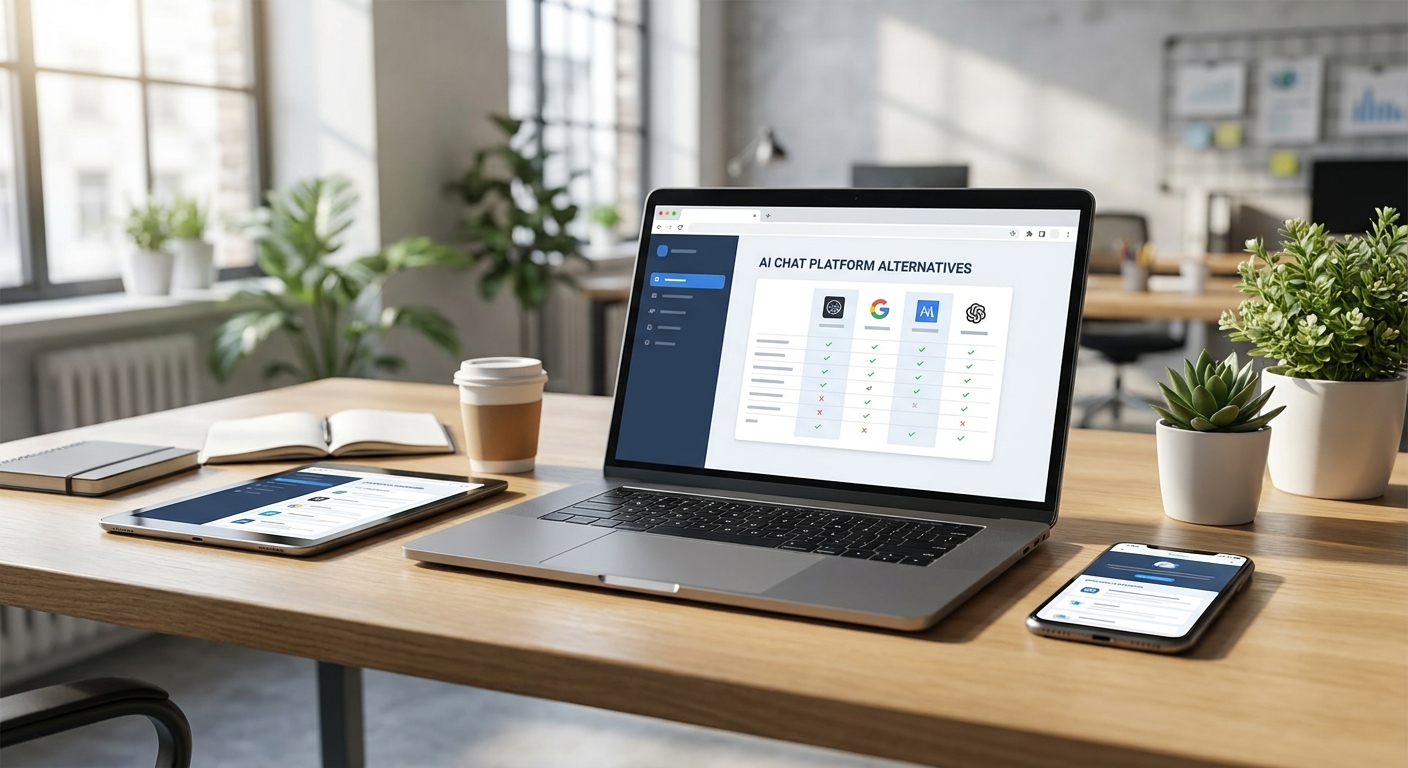
| Tool | Reads conversation context | Native ad format | Integration effort | 2026 verdict |
|---|---|---|---|---|
| Elo | Yes | Native in-chat card | Low (SDK) | Buy |
| Kevel | No | Zone/banner | Medium (API) | Hold / Skip for chat |
| Google Ad Manager | No | Display/video | High | Skip |
| AdButler | No | Banner | Low | Consider (non-chat slots) |
| Topsort | Partial (commerce only) | Sponsored listing | Medium | Consider (shopping only) |
| In-house build | Depends on team | Custom | High | Wait |
| Mediation stack | No | Waterfalled banner/native | Medium-High | Consider (scale only) |
Compare Elo against your current ad server
See how conversation-context matching changes fill and RPM before you migrate.
Where to start
- If you're already chat-first in 2026 and rendering ads as banners today, that mismatch is costing you fill rate before it costs you revenue — start with a tool built for conversational context.
- If you're multi-model (OpenAI plus a custom LLM), pick an SDK that doesn't lock you into one model provider's ecosystem.
- If ad revenue is a side feature, not the core business, avoid the in-house build path — the maintenance cost compounds every time a model version changes output formatting.
FAQ
What is the best Kevel alternative for AI chat products in 2026?
Elo is the best Kevel alternative for AI chat products in 2026 because its SDK matches ads to live conversation context and renders them as native in-chat cards instead of banners. Kevel remains a strong choice for retail media and zone-based display, just not for turn-based chat surfaces.
Is Kevel good for AI chatbot monetization?
Kevel is built for headless, zone-based display and retail media, not conversational surfaces, so it lacks a native chat ad format. Teams running chat-first products in 2026 generally need a tool that reads intent from the conversation itself.
Can I use Google Ad Manager inside a chat app?
Technically yes, but Google Ad Manager renders banner and video units designed for page inventory, which forces an awkward fit inside a message stream. It works better for apps with a dedicated ad slot outside the chat UI than for native in-chat cards.
Does Topsort work for non-shopping AI assistants?
Topsort's auction logic is built around product catalogs and search queries, so it fits AI shopping assistants but not support, finance, or companion chat products. Outside commerce, its matching model doesn't generalize to open conversation.
How much code does it take to integrate a conversational ad SDK?
Elo's integration documentation lists twelve lines of code to get a first ad impression live inside a chat app. Actual setup time depends on how your app manages conversation state and which model provider you're using.
Should I build my own ad matching system instead of using an SDK?
Building in-house only makes sense if ad revenue is core to your roadmap and you already have engineers to maintain matching logic, billing, and compliance flows. For most teams in 2026, a dedicated SDK ships faster and doesn't carry ongoing maintenance cost.
Do conversational ads hurt chat UX?
Native ad cards that match the conversation's topic tend to read as relevant recommendations rather than interruptions, unlike banners forced into a message stream. Frequency and placement still matter — capping ad density per session avoids fatigue.
What revenue model do conversational ad SDKs use?
Conversational ad SDKs typically support CPM, CPC, and CPA pricing, similar to traditional ad servers, but the impression event is tied to a matched conversational turn instead of a pageview. This lets non-converting chat sessions still generate ad revenue.
One last thing
The detail teams miss when comparing kevel alternatives for ai chat products: the revenue event doesn't have to be a click. A chat session that never converts to a purchase can still render a matched, native ad card and generate an impression-based payout — which is the entire economic argument for building ad support into an AI chat product instead of relying on subscriptions alone.